Destiny 2
The Project
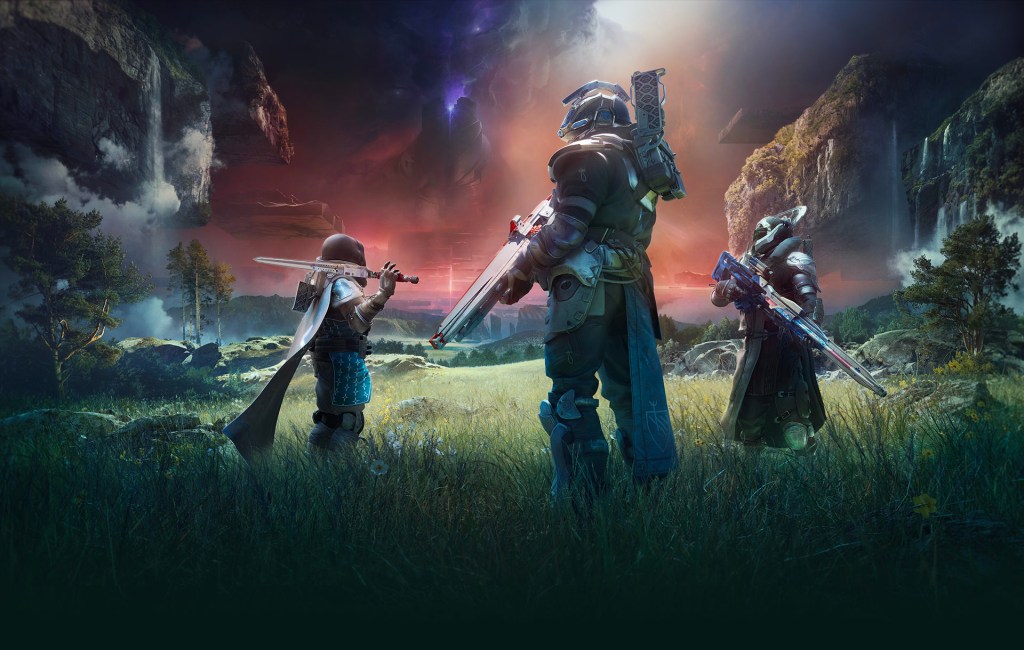
Destiny 2 is an, FPS, action MMO with a single evolving world that players can start their journey for free on PC or Console. Players can unlock powerful elemental abilities and collect unique gear to customize their character’s look and playstyle. Destiny 2 provides players with a cinematic story, challenging co-op missions, and a variety of PvP and PvE modes to play alone or with friends.
My Role
As a senior designer embedded into Bungie’s World Systems and Rituals team, I was responsible for designing and implementing Combat Encounters and Mission Objectives (Activity Design) in Destiny 2’s PvE game modes (Gambit / Strikes), challenge and objective-based Systems, and PvP Modes (Crucible / Iron Banner). Responsible for delivering such a diverse set of content, I was required to become proficient in Bungie’s robust toolsets, editor, and proprietary engine, including its unique data systems, world editor, scripting API for both PvE and PvP, encounter creation tools, and combat behaviour systems.

I worked closely with the team’s feature lead to deliver content that met Bungie’s high standard of quality in all of Destiny 2’s primary paths of play. When I joined the team, Destiny 2 was a mature product going into 6th year of live operations. In addition to releasing a major new expansion and on average four new seasons of fresh content each year, my team was also focused on improving quality of life of existing features, systems and content, enhancing player experience, and refreshing fan favourite missions and modes. Player feedback and concerns were always top of mind when designing and iterating on new features, systems, and replayable missions.
Combat Encounters – Gambit
Gambit is a PvEPvP game mode where two teams of players compete in separate arenas against multiple waves of AI combatants. To win, a team must collect and deposit 100 ‘motes’ from defeated enemies to summon a Primeval (boss) and kill it before the opposing team. Player’s can also invade an opponent’s arena for a short duration at various intervals of a match to kill and slow the opposing team down.
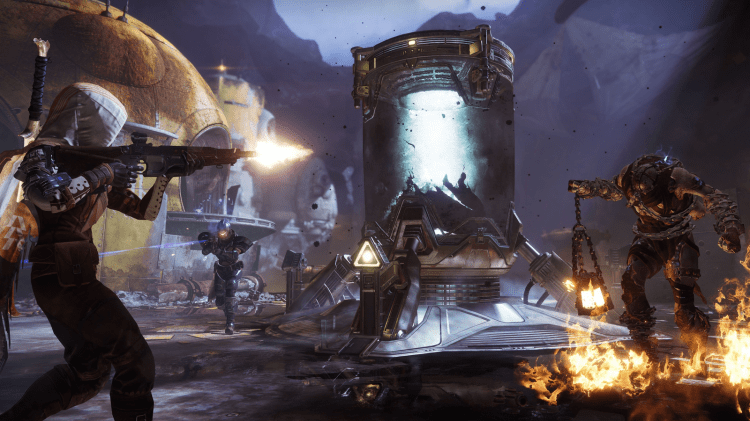
To promote variety and replayability for players, each Gambit map supports at least three different factions (i.e. Hive, Cabal, Scorn), and multiple encounter and combatant composition variants for each faction. For example, playing a Gambit match on particular map could result in players fighting against waves of Cabal with a focus on melee, turret, and flamethrower combatants, and then playing a second match on the same map could result in players fighting against Cabal with a focus on sniper, soldier, and elite guard combatants, or against a different faction entirely.
Example – Cathedral of Scars
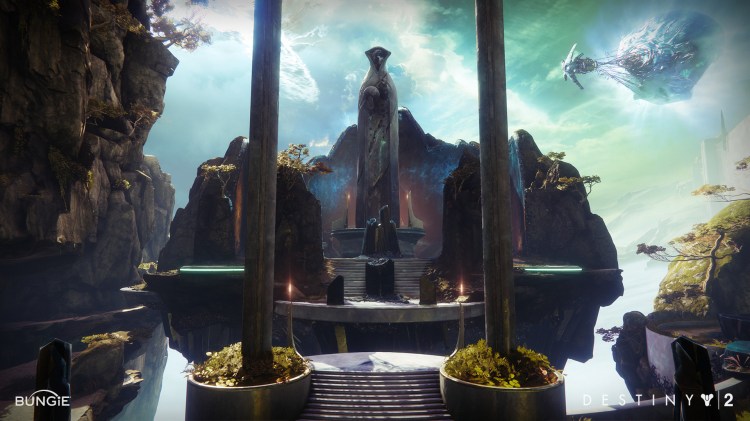
As part of a major effort to revitalize some of Destiny 2’s fan favourtie Gambit maps, one of my tasks was to redesign and implement all new encounters for the Gambit map Cathedral of Scars. This resulted in the design of nine different match variations using three different NPC factions: Cabal, Vex, and Scorn.
Match Variations
Each faction’s match variation consisted of four encounter waves of escalating difficulty, on three different fronts, of up to 20 combatants per wave of various types (fodder, solider, specialist, anchor, and miniboss). The combatant composition of each match variation was designed to follow a unique theme to challenge the player in a variety of ways and encourage them to find new and interesting solutions to each combat encounter.
Combatant Compositions
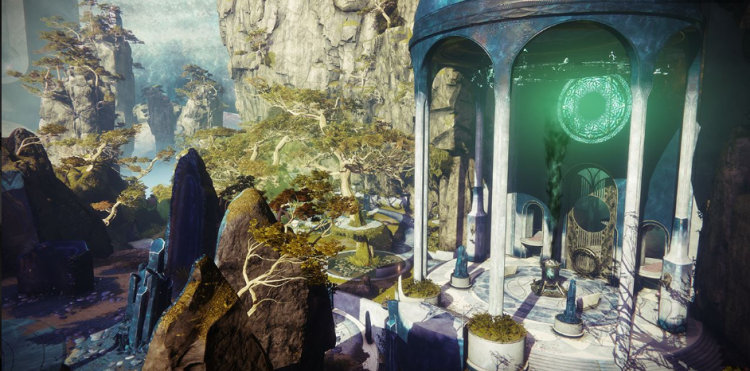
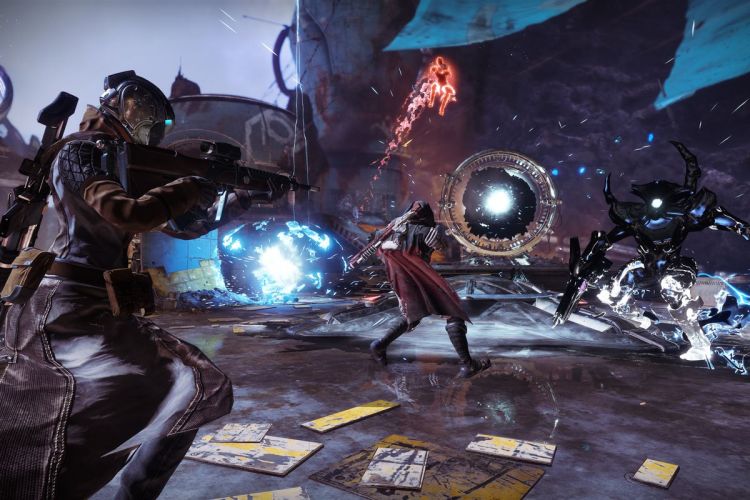
For example, one combatant composition for the Cabal faction consisted of primarily shielded soldiers, snipers, and AOE mini-bosses. This composition’s intention was to push the player around the play space, encourage them to find paths behind the shielded combatants, while maintaining awareness of the snipers and large AOE blasts coming from powerful enemies. The mini-boss also gave the player a high-value target to focus, letting players choose how to approach the encounter by either focusing the most powerful enemy first or eliminating the ads before taking on the high-value target.
Encounter Space
Each encounter space also possessed its own set of unique challenges for the player. For example, one front was in a cave area, well suited for close-range combatants, melee and flanking with low ceilings, sight blockers, and lots of cover for the player and combatants. Another front was on a floating island presenting a platforming challenge and the risk of the player falling off to their death, alongside platforms and cubby holes to give combatants high ground advantage and support ambushes. The final front was an open forest theme with tree cover and high platforms well suited for snipers and long range weapons with high levels of visibility.
Results
Below is a playthrough of one of the Scorn combatant match variations that demonstrates how the encounter designs came together for the final product:
Systems
Destiny 2 has a plethora of systems. From gameplay, combat, progression, rewards, economy, loot, etc., the list goes on for days. As part of the World Systems and Rituals team, my team focused primarily on out-game challenge, character progression and objective-based systems.
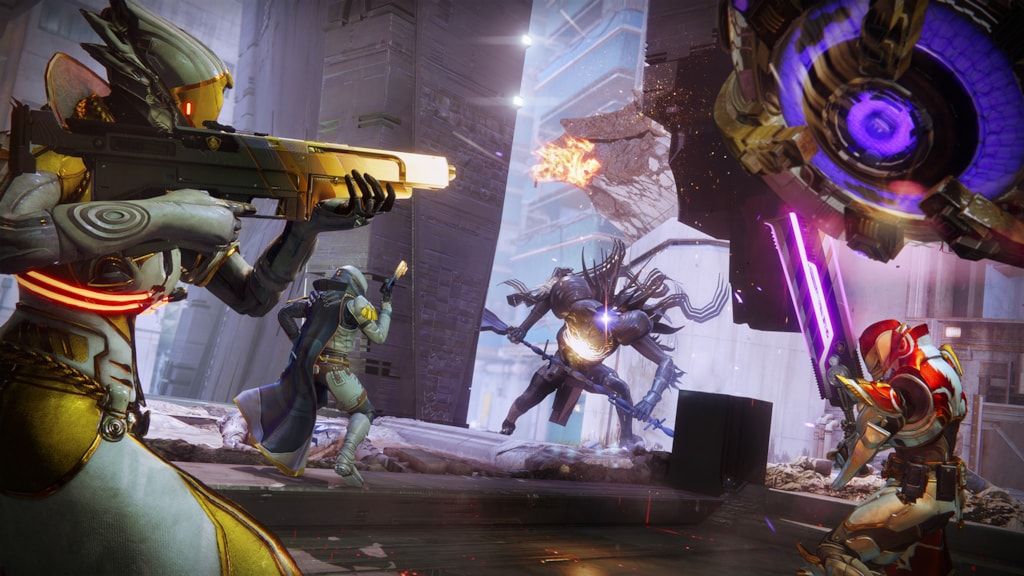
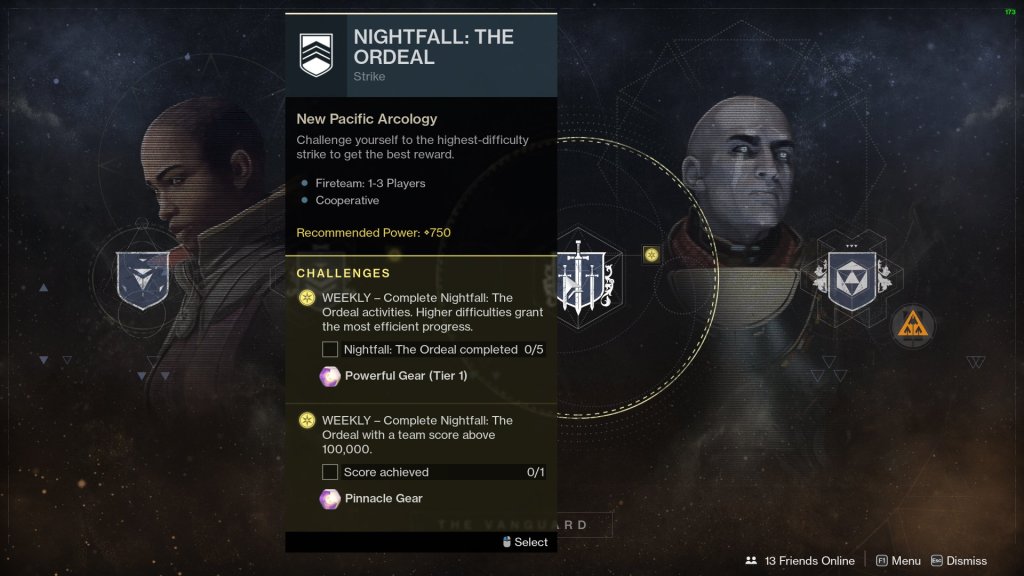
As focus shifted to a more player-first strategy, many challenges and objective systems were tasked to be overhauled based on player feedback. For example, for many of these systems, players were required to play multiple matches in all three primary game types (Vanguard – PvE, Gambit – PvPPvE, and Crucible – PvP). However, many players didn’t necessarily enjoy playing in one or more of these game types but did so to complete their objectives and earn their weekly rewards. Many more still would just never complete their weekly challenges and objectives making their progression significantly slower.
To help improve player experience in these areas and solve these problems for players, I was tasked with updating and creating new challenges such as Rituals Weekly Challenges, Iron Banner challenges and overhauling one of Destiny 2’s major objective systems, the vendor Bounty system with the new centralized, Pathfinder system.
Challenges
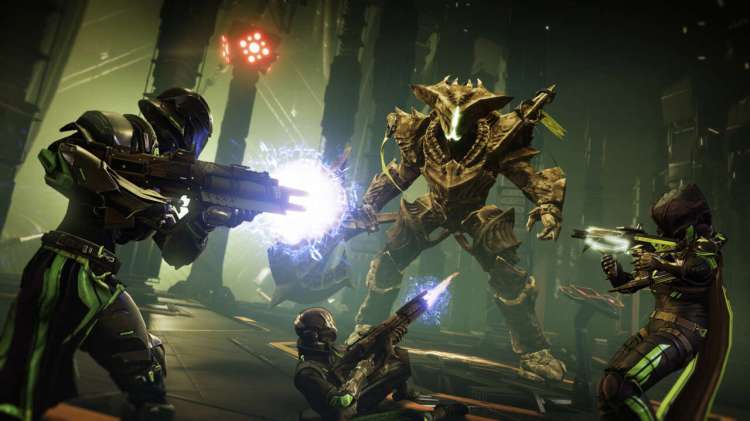
One of the major Ritual challenges that I overhauled was the Rituals Weekly Challenge. This challenge required players to play three matches in each of the primary game types, after completing three matches in Crucible for example, the player would earn a high-value reward. They would then go on to complete three more matches in Vanguard, and three more in Gambit to fully complete the challenge and earn all three rewards. To accommodate player feedback and make this system more accessible, this system was changed to allow players to complete matches in any primary (ritual) activity to earn their rewards. For example, a player could complete all nine matches in Vanguard or mix and match their nine matches between the different game modes as they pleased.
Results
This system update allowed players to play their way, keeping true to the player first philosophy set forth. This update also resulted improvements in match quality. No longer were players playing in a game mode they didn’t enjoy just because they needed to complete a match in it to earn a reward. Finally, this change also improved progression numbers for more casual player cohorts, allowing these players to complete challenges more easily and reach end game content that was previously out of reach.
Pathfinder
The Pathfinder system was created to completely replace the Vendor Bounty system. This was a significant overhaul of one of Destiny 2’s major systems. Previously, players would visit three different vendors (Crucible, Gambit, and Vanguard) in the main community hub (the Tower) and collect bounties (objectives) to earn XP and complete weekly vendor challenges that offered high-value rewards. Each different vendor offered bounties for a particular game mode (i.e. Gambit, Vanguard, or Crucible) and so players would need to compete in all three game modes to earn all of their weekly vendor challenges.
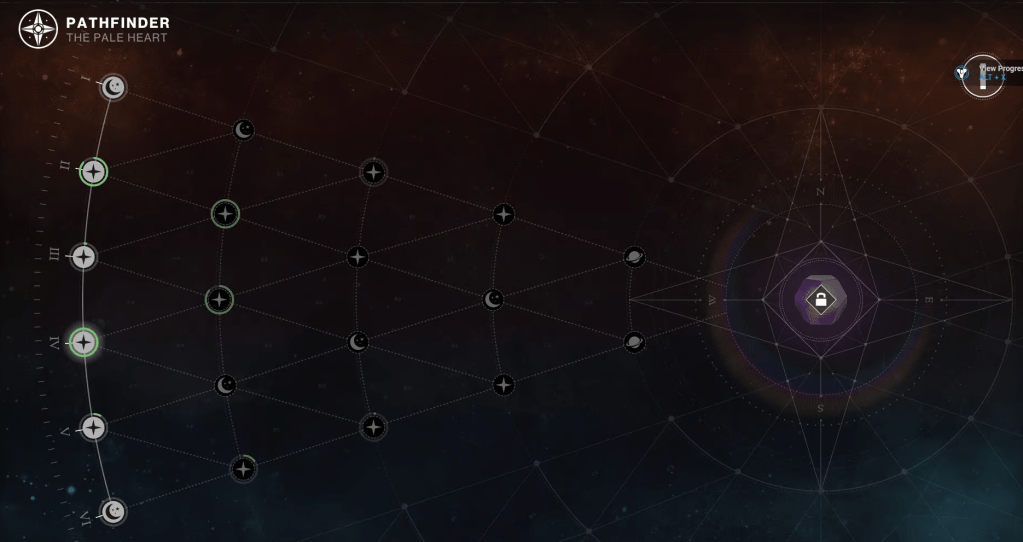
The new Pathfinder system consolidates the Bounty system, combing the objectives from all the previous vendors into one, permanent, interactable access point built into the player’s menus. Similar to how the player can access their quests or character screen from anywhere at any time, the Pathfinder menu works largely the same way.
Players must complete objective nodes along a connected path to reach the reward. Objectives are of various activity types, such as Vanguard (PvE), Crucible (PvP), or Gambit (PvEPvP) and must be completed in their designated activity. A fourth “generic” or “any-activity” objective type was also added, allowing players to complete the objective in any activity they choose. Once a path has been completed and the reward collected, the objective card resets and the players start again.
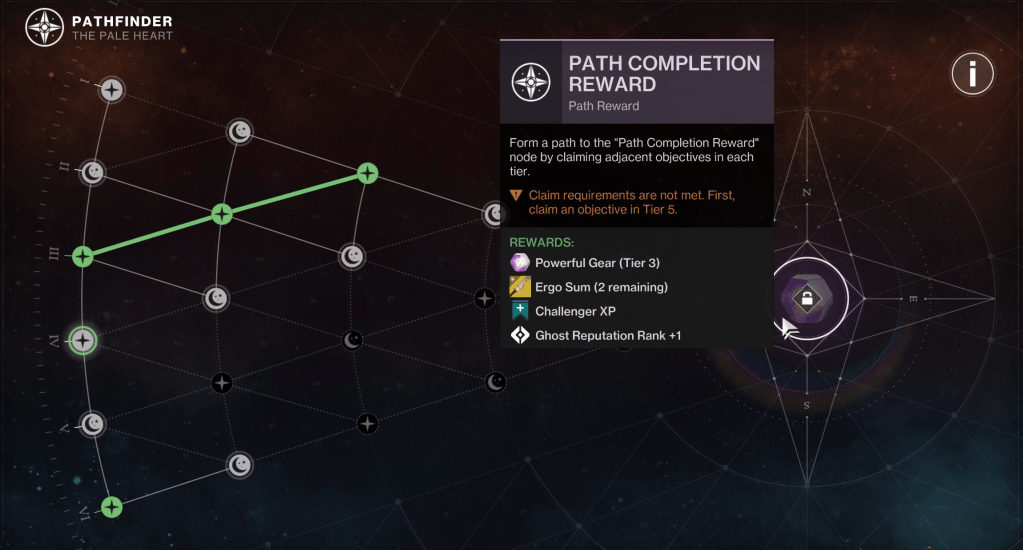
Results
This system was a major quality-of-life improvement for players and alleviated a lot of their concerns of the previous system. Below are some of the major problems the new system helped solve:
1) Players no longer have to spend time visiting a specific destination to collect their bounties, the system is now passive and auto-populates objectives for them with each path-complete reward collected and weekly reset.
2) Players no longer need to play in activities they don’t enjoy. For example, in the previous system, to earn all three challenge rewards, players would need to complete objectives in Crucible, Gambit, and Vanguard. Now players can choose an objective path that matches their playstyles and interests, avoiding objectives in game modes they don’t like.
3) Players no longer need to worry about their bounties expiring from day-to-day. In the previous system, a collected bounty would expire after 24 hours, wiping any progress made towards it. Now players have an entire week to complete their objective paths, with progress earned for each objective retained until the weekly reset.
 Kyle Fehr Design